Resources
The film, the men, the research.
Watch this first
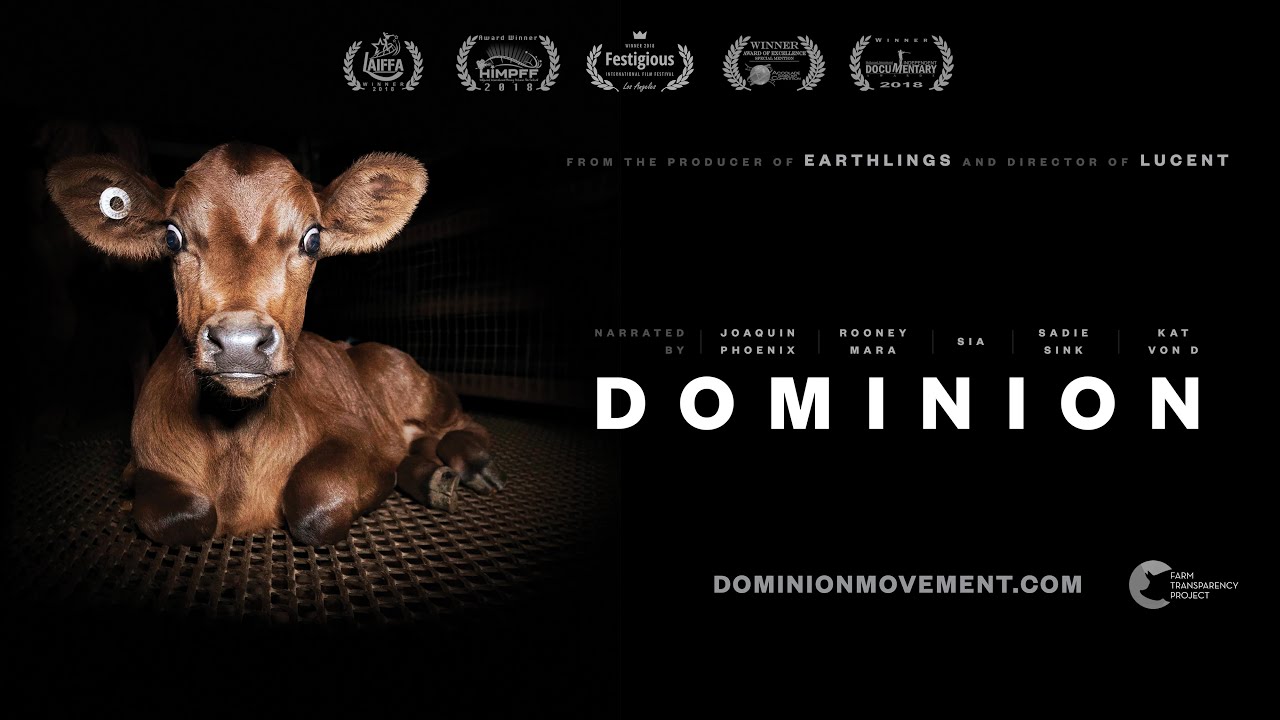
Dominion (2018)
A feature documentary from Farm Transparency Project, shot in Australia with drones and hidden and handheld cameras inside working farms and slaughterhouses.1 Narrated by Joaquin Phoenix, Rooney Mara, Sia, Sadie Sink and Kat Von D. Free to watch.
It is graphic and hard to sit through. Watch it anyway, ideally with another man, and talk afterward.
Watch on YouTubeWe feel entitled to artificially inseminate a cow, and when she gives birth, we steal her baby, even though her cries of anguish are unmistakable.
The Pythagorean rule
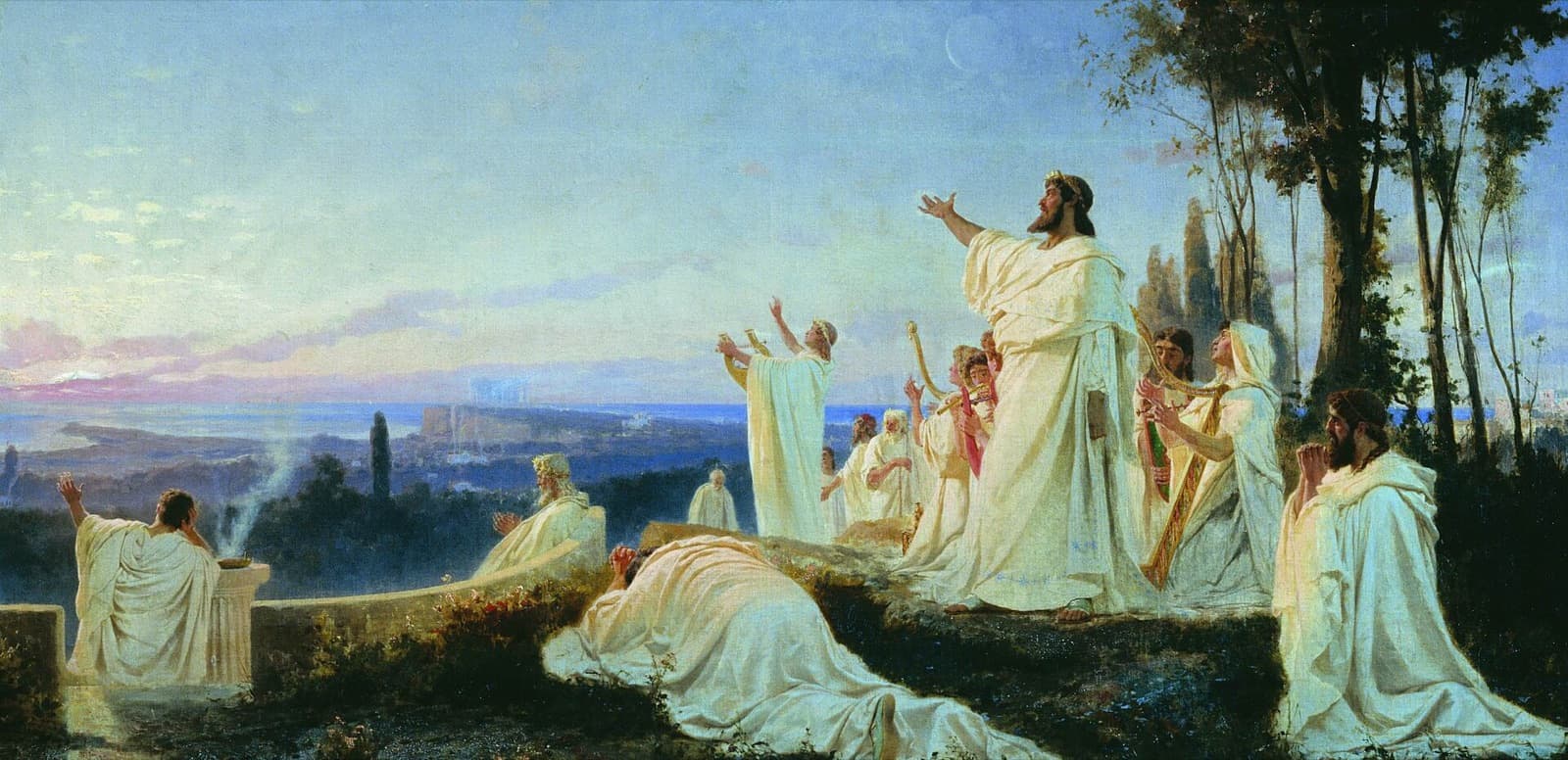
Around 530 BC Pythagoras founded a community at Croton in southern Italy. According to his biographer Iamblichus, a candidate was observed for three years and then kept five years of silence before he was admitted to the inner circle.2
Iamblichus also records the rule on animals. Pythagoras ordered “the most contemplative of philosophers” among his students “never to eat any thing animated,” never to sacrifice animals, and “to preserve most solicitously justice towards them.” He asked the same of the lawmakers among his followers. Students who had not reached that level were allowed some meat.2
The earlier sources do not agree. Eudoxus wrote that Pythagoras avoided even the company of butchers and hunters. Aristoxenus wrote that he ate some meats. Historians read this as a sign that Pythagoreans themselves argued about the rule.3
…for the sake of a little flesh we deprive them of sun, of light, of the duration of life to which they are entitled by birth and being.
Men who went before
The word “vegan” dates from 1944. Before that, men who would not eat animals were called vegetarians, and before the 1840s, Pythagoreans. Each line links to its source. Being listed here means only that a man’s diet is on the public record; none of them is affiliated with this group.
Gone before us
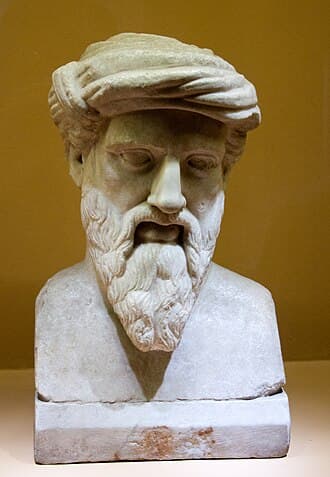
Pythagoras c. 570–495 BC
By ancient tradition he abstained from meat. Until the word “vegetarian” took hold in the 1840s, meatless eating was called the Pythagorean diet. Source
Plutarch c. 46–120 AD
Greek essayist whose “On the Eating of Flesh” is one of the earliest surviving arguments against eating animals. Source
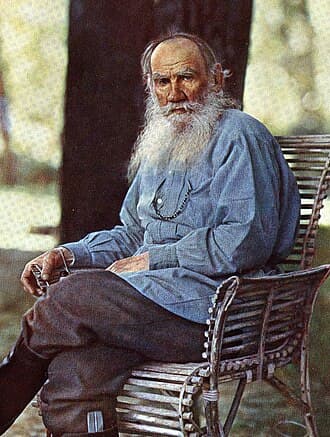
Leo Tolstoy 1828–1910
Gave up meat in the mid-1880s and wrote “The First Step” (1891), arguing that a moral life starts with what a man will not eat. Source
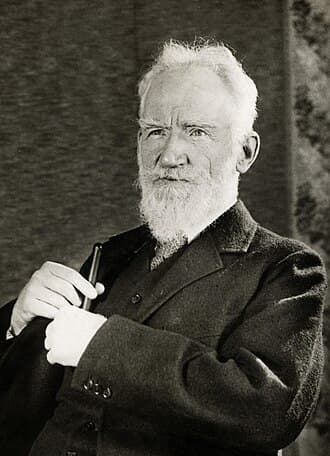
George Bernard Shaw 1856–1950
Vegetarian from 1881 until his death at 94. Awarded the 1925 Nobel Prize in Literature. Source
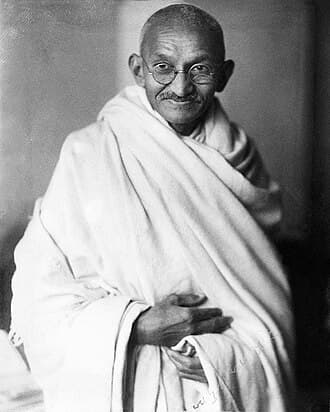
Mahatma Gandhi 1869–1948
Raised vegetarian, tried meat as a teenager, then became vegetarian by conviction. His writings on it are collected in “The Moral Basis of Vegetarianism.” Source
Donald Watson 1910–2005
Co-founded The Vegan Society in 1944 and coined the word “vegan.” Lived to 95. Source
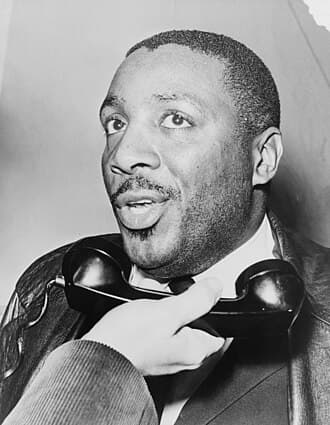
Dick Gregory 1932–2017
Comedian and civil-rights activist. Became vegetarian in 1965, extending the nonviolence he learned in the movement to animals. Source
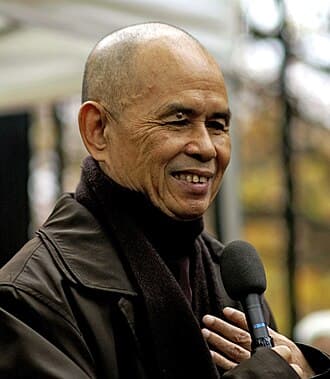
Thich Nhat Hanh 1926–2022
Zen teacher whose Plum Village monasteries and retreats have been fully vegan since 2007. Source
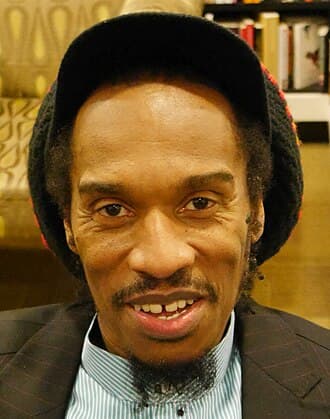
Benjamin Zephaniah 1958–2023
Poet and Vegan Society ambassador. Vegan from the age of 13. Source
Living
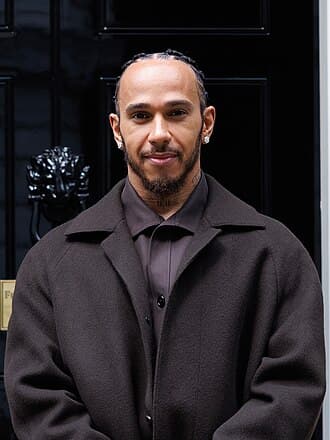
Lewis Hamilton
Seven-time Formula 1 world champion. Vegan since 2017. Source
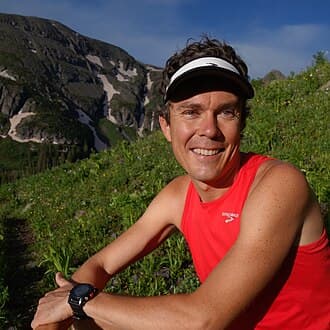
Scott Jurek
Won the Western States 100-mile run seven straight times, 1999 to 2005. Vegan since 1999. Source
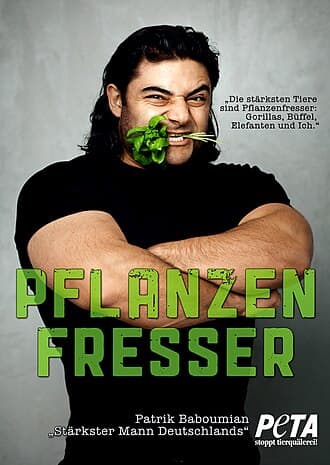
Patrik Baboumian
Germany’s Strongest Man in 2011 and vegan since that year. Carried a 555 kg yoke ten metres for a Guinness World Record in 2013. Source

Kendrick Farris
Three-time US Olympic weightlifter and the only American man to lift at Rio 2016. Vegan since 2014. Source
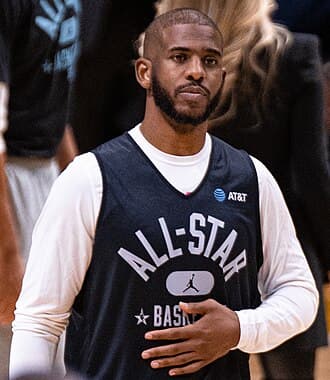
Chris Paul
Twelve-time NBA All-Star who retired in 2026. Has eaten plant-based since 2019. Source
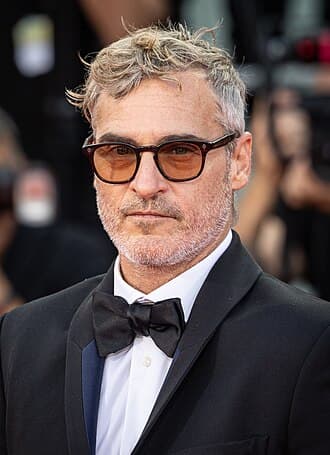
Joaquin Phoenix
Vegan since the age of three. Won the Academy Award for Best Actor for Joker in 2020. Source
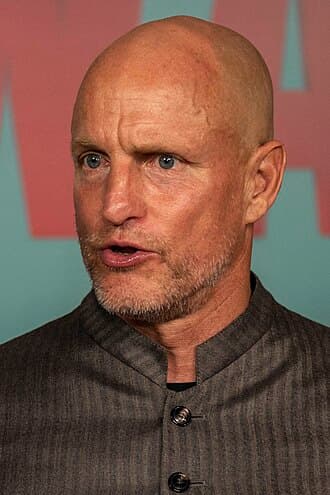
Woody Harrelson
Actor. Vegan for more than 30 years. Source
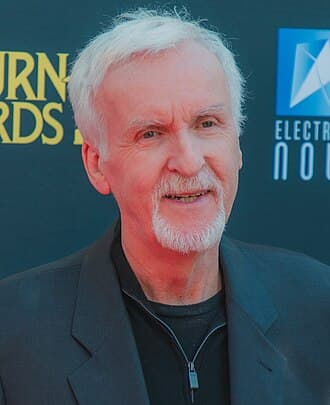
James Cameron
Academy Award-winning director of Titanic and Avatar. Vegan since 2012. Source
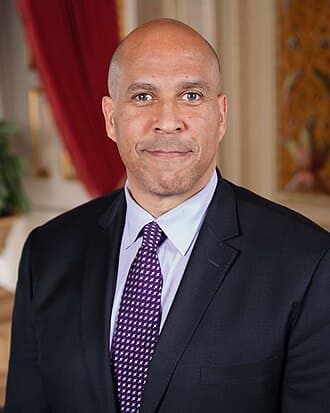
Cory Booker
US Senator from New Jersey. Vegetarian since 1992 and vegan since 2014. Source
Dr. Kim A. Williams
Cardiologist and past president of the American College of Cardiology. Vegan since 2003. Source
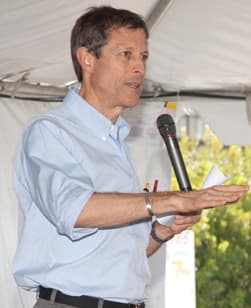
Dr. Neal Barnard
Physician, researcher and founder of the Physicians Committee for Responsible Medicine. Vegan since the 1980s. Source
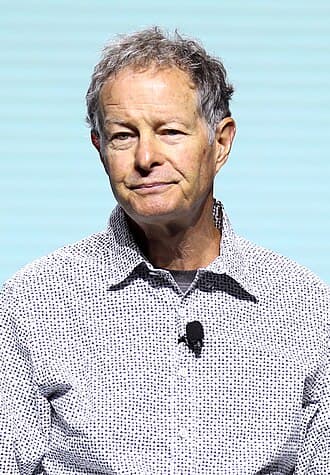
John Mackey
Co-founder and former CEO of Whole Foods Market. Vegan since 2003. Source

Brian Greene
Columbia University physicist and best-selling author. Vegetarian since the age of nine and vegan since the 1990s. Source
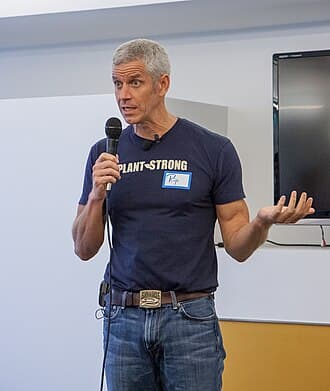
Rip Esselstyn
Former Austin firefighter and triathlete, author of The Engine 2 Diet. Fully plant-based since 1987. Source

Moby
Musician and animal-rights activist. Vegan since 1987. Source
Health for men
What large studies have found. These are mostly observational: they show association, and people who avoid meat often differ in other habits too. None of this is medical advice.
- The diet is adequate
- The Academy of Nutrition and Dietetics holds that appropriately planned vegetarian and vegan diets can be nutritionally adequate for adults and can offer long-term health benefits.4 Its earlier position named athletes specifically.5 Vegans need a reliable source of vitamin B12.
- Heart
- Heart disease is the leading cause of death for men in the United States.6 In a British cohort of 44,561 people followed for more than 11 years, vegetarians had a 32% lower risk of ischemic heart disease than nonvegetarians.7
- Prostate
- Among 26,346 men in the Adventist Health Study-2, a vegan diet was associated with a 35% lower risk of prostate cancer.8 Among 47,239 men in the Health Professionals Follow-Up Study, eating more plant foods was associated with a lower risk of fatal prostate cancer.9
- Type 2 diabetes
- In the Adventist cohort, 2.9% of vegans had type 2 diabetes against 7.6% of nonvegetarians. After adjusting for weight and lifestyle, vegans had about half the odds.10
- Erections
- Among 21,942 men in the Health Professionals Follow-Up Study, men aged 60 to 70 who ate the most healthy plant foods had an 18% lower risk of erectile dysfunction than those who ate the least.11
- Testosterone
- A study of US men using national survey data found that the plant content of a man’s diet was not associated with his testosterone level. It was a small study, 191 men.12
- Living longer
- Among 73,308 Adventists, vegetarians as a group had a 12% lower risk of death from any cause over about six years. The associations were larger and more often significant in men than in women.13
- Processed meat
- The World Health Organization’s cancer agency classifies processed meat as carcinogenic to humans and red meat as probably carcinogenic.14
Planet
Oxford researchers linked the diets of 55,504 people in the UK to data from more than 38,000 farms. The diets of vegans carried about 25% of the greenhouse gas emissions, 25% of the land use and 46% of the water use of the diets of people eating 100 grams or more of meat a day.15
Sources
- Dominion (2018), Farm Transparency Project
- Iamblichus, Life of Pythagoras, trans. Thomas Taylor (1818), chapters 17 and 24
- Stanford Encyclopedia of Philosophy, “Pythagoras”
- Academy of Nutrition and Dietetics, position paper on vegetarian dietary patterns for adults (2025)
- Academy of Nutrition and Dietetics, position on vegetarian diets (2016)
- CDC, Heart Disease Facts
- Crowe et al., EPIC-Oxford, American Journal of Clinical Nutrition (2013)
- Tantamango-Bartley et al., Adventist Health Study-2, American Journal of Clinical Nutrition (2016)
- Loeb et al., Health Professionals Follow-Up Study, American Journal of Clinical Nutrition (2022)
- Tonstad et al., Adventist Health Study-2, Diabetes Care (2009)
- Yang et al., Health Professionals Follow-Up Study, BJU International (2022)
- Kuchakulla et al., World Journal of Urology (2021)
- Orlich et al., Adventist Health Study-2, JAMA Internal Medicine (2013)
- World Health Organization, Q&A on the carcinogenicity of red and processed meat
- Scarborough et al., Nature Food (2023)
- Plutarch, On the Eating of Flesh I, Loeb Classical Library (1957)
- Joaquin Phoenix, Academy Awards acceptance speech, 9 February 2020 (transcript, The Hollywood Reporter)
- Fyodor Bronnikov, Hymn of the Pythagoreans to the Rising Sun (1869). Public domain, via Wikimedia Commons
Photo credits
- Pythagoras: Unknown photographer, Public domain
- Leo Tolstoy: Sergei Prokudin-Gorskii, Public domain
- George Bernard Shaw: Unknown photographer, 1936, Public domain
- Mahatma Gandhi: Elliott & Fry, Public domain
- Dick Gregory: Herman Hiller, New York World-Telegram, Public domain
- Thich Nhat Hanh: Duc (pixiduc), CC BY-SA 2.0
- Benjamin Zephaniah: Edwardx, CC BY-SA 4.0
- Lewis Hamilton: Lauren Hurley / No 10 Downing Street, OGL 3
- Scott Jurek: Windriverwild, CC BY-SA 3.0
- Patrik Baboumian: PETA Deutschland e.V., CC BY-SA 3.0
- Kendrick Farris: David Boffa, CC BY 3.0
- Chris Paul: Erik Drost, CC BY 2.0
- Joaquin Phoenix: Harald Krichel, CC BY-SA 4.0
- Woody Harrelson: US Navy, Public domain
- James Cameron: Kevin Paul, CC BY 4.0
- Cory Booker: US Senate, Public domain
- Dr. Neal Barnard: Compassion Over Killing, CC BY 2.0
- John Mackey: Gage Skidmore, CC BY-SA 2.0
- Brian Greene: Steve Jurvetson, CC BY 2.0
- Rip Esselstyn: Pax Ahimsa Gethen, CC BY-SA 3.0
- Moby: Justin Higuchi, CC BY 2.0